Tips to Keep Your Septic Tank Fresh and Odor-Free
Living with a septic system is a common reality for many homeowners. While it effectively handles wastewater, it can also become a source of unpleasant odors if not maintained properly. Fortunately, by implementing a few proactive steps, you can keep your septic system fresh and odor-free. This article will guide you through the best practices for maintaining a healthy and odorless septic system.
Understanding Septic System Odors
Septic system odors arise when bacteria in the tank break down waste, releasing gases like hydrogen sulfide. These gases can escape through vents or cracks in the system, leading to unpleasant smells around your home. While occasional odors are normal, persistent or strong smells often indicate a problem that requires attention.
Preventive Measures for Odor Control
Proactive measures are crucial to prevent odors from becoming a nuisance. Here's what you can do:
1. Regularly Pump Your Tank
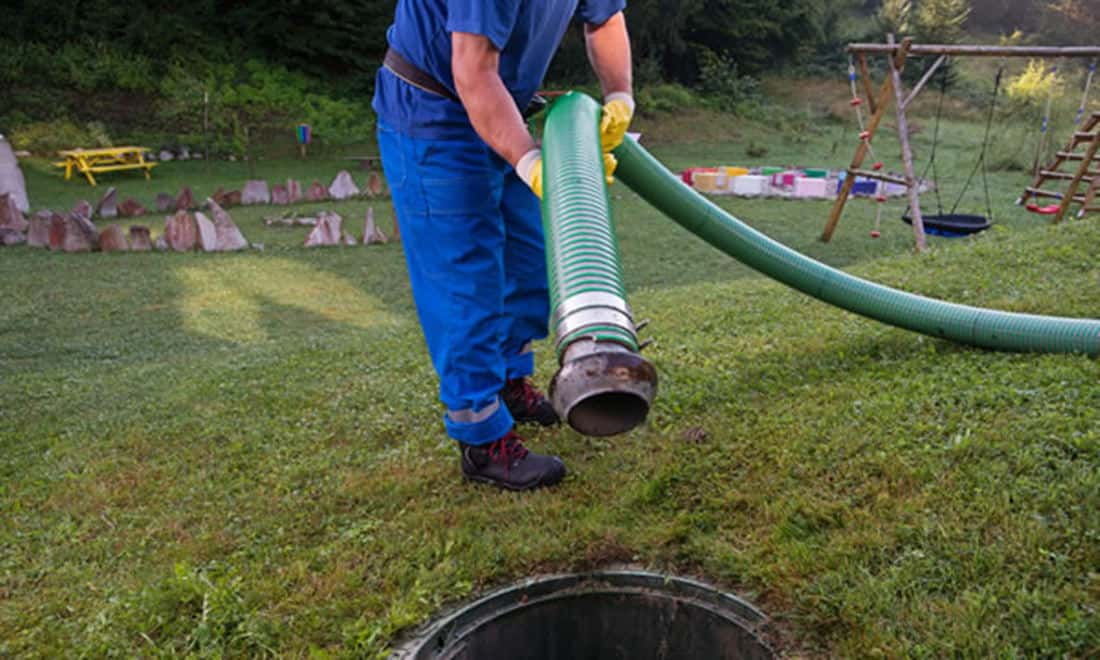
The most important preventive measure is regular septic tank pumping. Pumping removes accumulated sludge and scum that can contribute to odor production. Aim for a pumping frequency of every 3-5 years, or more frequently if you have a large household or heavy wastewater usage.
2. Mind Your Wastewater Habits
Certain household practices can strain your septic system and lead to odors. Here are some tips:
- Avoid flushing anything other than toilet paper down the toilet. This includes items like wipes, paper towels, and feminine hygiene products, which can clog your system.
- Use water-soluble products for cleaning and laundry. Avoid harsh chemicals that can kill the beneficial bacteria in your tank.
- Limit the use of garbage disposals. Food scraps can overload your tank and contribute to odor formation.
3. Maintain Your Drainfield
The drainfield is the area where treated wastewater is released into the ground. Proper drainage is crucial for odor control. Avoid parking vehicles or heavy machinery over the drainfield, as this can compact the soil and hinder drainage. Regularly inspect the drainfield for signs of saturation or flooding, and contact a professional for repairs if needed.
4. Consider Septic Tank Additives
Septic tank additives containing beneficial bacteria can help break down waste more efficiently and reduce odors. While not a substitute for regular pumping, these additives can supplement your septic system maintenance.
Dealing with Existing Septic System Odors
If you're already dealing with odors, here's what you can do:
1. Identify the Source
Before taking any action, it's important to determine the source of the odor. Is it coming from the drainfield, vents, or the tank itself? This will help you pinpoint the issue and take appropriate steps.
2. Check for Leaks and Cracks
Odors can escape through cracks or leaks in your septic system. Inspect all components for any visible signs of damage and repair them as needed. A professional inspection may be necessary for a thorough assessment.
3. Consider Professional Help
For persistent or strong odors, it's best to contact a qualified septic system professional. They can diagnose the problem, perform necessary repairs, and recommend appropriate solutions to eliminate the odors.
Conclusion
Keeping your septic system fresh and odor-free requires proactive maintenance. By practicing good wastewater habits, regularly pumping your tank, and maintaining your drainfield, you can significantly reduce the risk of unpleasant odors. Remember, early intervention is key. Addressing any issues promptly will help maintain the health and efficiency of your septic system and prevent odors from becoming a recurring problem.
0 comments:
Post a Comment