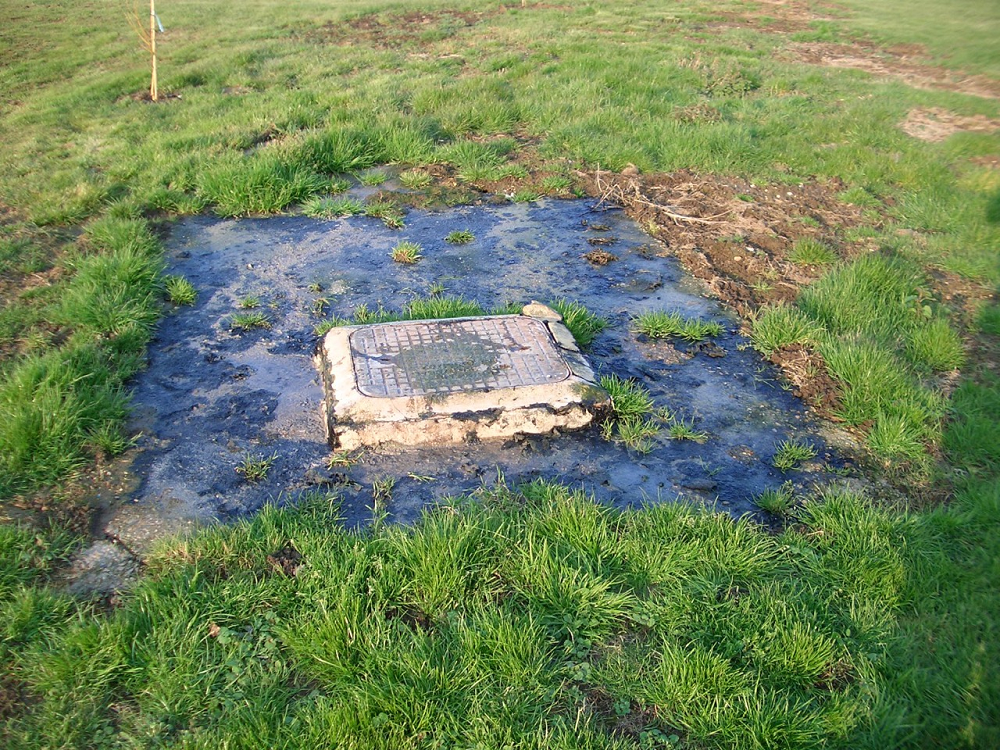
How to Fix Septic Tank Odor Problems in Your Home and Yard
A well-maintained septic system should be odorless. However, if you are experiencing unpleasant smells emanating from your home or yard, it could indicate a problem with your septic tank. Septic tank odor can be embarrassing and concerning. It's a sign that something is wrong with your system, and it needs attention. This article will delve into the common causes of septic tank odor problems, explore effective solutions, and offer preventative measures to keep your home and yard smelling fresh.
Understanding Septic Tank Odor: The Root Causes
Septic tank odor is often the result of a breakdown in the natural decomposition process within the tank. Here are some of the most common causes of septic tank odor problems:
1. Overloading and Overfilling
When your septic tank becomes overloaded with waste beyond its capacity, the solid waste doesn't break down effectively. This leads to a buildup of sludge and scum at the top, creating an environment where odor-producing bacteria thrive.
2. Improper Maintenance and Neglect
Regular maintenance is crucial for a healthy septic system. Neglecting maintenance can lead to a buildup of sludge, scum, and solids, promoting bacterial growth and producing unpleasant odors.
3. Leaking or Damaged Pipes
Cracks or leaks in the pipes connecting your home to the septic tank can allow sewage to escape into the surrounding soil, emitting an offensive smell.
4. Faulty Drain Field
A malfunctioning or clogged drain field, the system that filters and releases wastewater, can also contribute to odor problems. When the drain field is unable to properly filter the wastewater, it can back up into the tank and create a foul odor.
5. Insufficient Ventilation
Septic tanks need proper ventilation to prevent the buildup of gases. If the vent pipe is blocked or missing, gases can escape through other openings, such as floor drains or toilets, causing unpleasant smells.
Eliminating Septic Tank Odor: Solutions and Strategies
Addressing septic tank odor problems requires a multi-pronged approach. Here are some solutions that can help eliminate the odor:
1. Pumping and Cleaning
Regular pumping and cleaning of your septic tank are essential. It's recommended to have your tank pumped every 3-5 years, depending on the size of your household and usage. Pumping removes the accumulated sludge and scum, preventing overflow and odor production.
2. Repairing Leaks and Damages
If you suspect leaks in your pipes or damage to the septic tank, contact a qualified plumber or septic tank professional. They can diagnose the problem and recommend appropriate repairs.
3. Inspecting and Maintaining the Drain Field
Regular inspection and maintenance of the drain field are crucial. Ensure that the drain field is not overloaded with water, and that there are no signs of clogging or damage.
4. Installing a Vent Pipe or Checking Existing Vent
If your septic tank lacks a vent pipe, install one. If a vent pipe is present, ensure it is not blocked or damaged. A properly functioning vent pipe allows gases to escape safely and prevents odor problems.
5. Using Septic Tank Additives
Septic tank additives can help break down solid waste and control odor-producing bacteria. Choose additives specifically designed for septic systems and follow the manufacturer's instructions carefully.
6. Avoiding Harsh Chemicals
Harsh chemicals, such as bleach, drain cleaners, and pesticides, can harm the beneficial bacteria in your septic tank and contribute to odor problems. Use these chemicals sparingly and dispose of them properly.
Preventing Septic Tank Odor: Tips and Practices
Prevention is key to avoiding septic tank odor. Here are some preventive measures:
- Avoid Flushing Non-Biodegradable Items: Avoid flushing items like wipes, paper towels, feminine hygiene products, and disposable diapers down the toilet. These items don't break down easily and can clog the system.
- Limit the Use of Garbage Disposals: Garbage disposals add extra food waste to your septic tank, which can increase the workload and contribute to odor problems. Consider using your garbage disposal sparingly or avoiding it altogether.
- Conserve Water: Shorter showers, low-flow toilets, and efficient appliances can reduce the amount of water entering your septic system, decreasing the workload on the tank and drain field.
- Monitor Usage: Keep track of the volume of water and waste your household produces. If you notice an increase, consider adjusting your usage habits or increasing the frequency of septic tank pumping.
- Schedule Regular Maintenance: Schedule regular maintenance checks and pumping of your septic tank to keep it functioning optimally and prevent odor problems.
When to Call a Professional
While some odor problems can be resolved through DIY methods, it's best to call a qualified septic tank professional for:
- Persistent or Severe Odor Problems: If odor problems persist despite trying solutions, it's best to seek professional help.
- Leaking or Damaged Pipes: Repairing leaking or damaged pipes requires specialized knowledge and tools.
- Drain Field Issues: Inspecting and maintaining the drain field can be complex. It's best to have a professional evaluate and resolve any issues.
- Septic Tank Pumpouts: It's generally recommended to leave septic tank pumping to professionals. They have the experience and equipment to safely and effectively pump out the tank.
Conclusion
Septic tank odor problems can be a nuisance, but they are often solvable. Understanding the causes, implementing effective solutions, and adopting preventive measures will help keep your home and yard smelling fresh. Remember, a well-maintained septic system is a key to a healthy home environment. If you suspect a problem with your system, don't hesitate to contact a qualified professional.
0 comments:
Post a Comment